East German Uprising
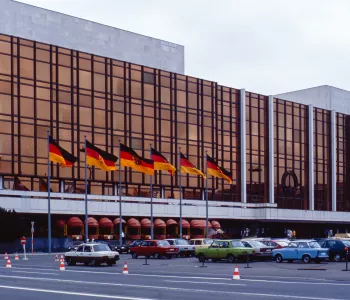
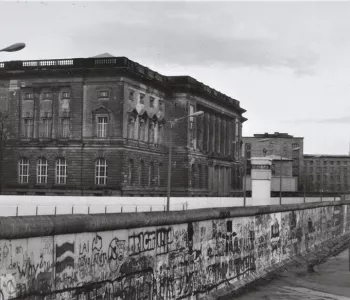
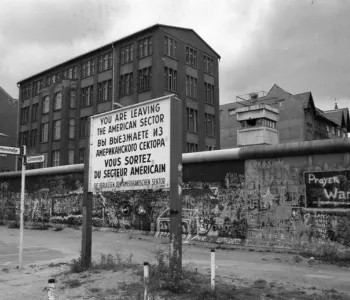
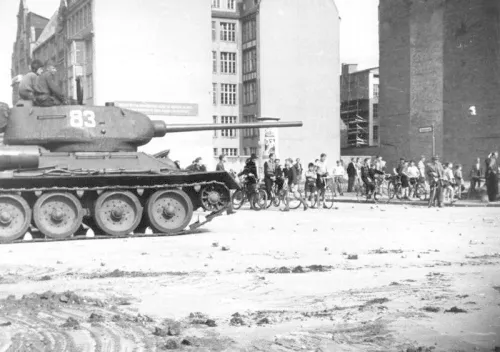
This is a collection of primary source documents related to the East German uprising of June 1953. The uprising started with a strike by East Berlin construction workers on June 16th. The next day it spread throughout East Germany and was violently suppressed by the Soviet Army. The documents in this collection are from Russian and German archives and cover the period between April 1952 and October 1953. There are memorandums, minutes of conversation, decrees, cables, and reports on the development during the uprising. Some documents in the collection refer to the Soviet military intervention, including the movement of troops and equipment by the Soviet Army. There are 14 cables from June 17th - the second day of the uprising, describing the situation and its development. Other documents refer to reactions to the uprising and its conclusion. (Image, Berlin, 1953)
-
April 07, 1952
Conversation between Joseph V. Stalin and SED leadership
The second conversation between Stalin and the SED leadership during their trip to Moscow in April 1952. Stalin discusses the political and military situation in East Germany and asks about the status of economic development in the GDR. The SED delegation asks Stalin to approve the transfer of raw materials to East Germany.
-
March 18, 1953
Draft Instructions for General Vasilii Chuikov and Vladimir Semyonov regarding GDR Control of Borders
Draft instructions of the Soviet leadership to its representatives in East Germany, advising that the SED requests for East German control of the border with West Germany are "unacceptable and grossly simplistic."
-
April 18, 1953
Memorandum on the German Question, from Georgii Pushkin and Mikhail Gribanov to Vyacheslav Molotov
Memorandum summarizing the state of discussions between the Soviet Union and the Western powers on various issues regarding Germany, including political, economic and unification issues.
-
April 18, 1953
Memorandum from Ivan Turginov, 'On the Western Powers’ Policy regarding the German Question'
Ivan Turginov reports on the policies of the Western powers on the German Question. Special emphasis is given to the public opinion in western countries with regard to Western and Soviet policies towards occupied Germany.
-
April 28, 1953
Soviet Foreign Ministry Memorandum, 'Regarding Further Measures of the Soviet Government on the German Question'
Memorandum on further issues regarding the German Question. The memorandum discusses further actions to be taken by the Soviet leadership in order to respond to developments in the Western controlled sectors of Germany and to increase Soviet influence with the German people.
-
May 02, 1953
Memorandum from Vladimir Semyonov to Vyacheslav Molotov Evaluating the Prospects for a Successful Resolution of the German Question
Memorandum to Soviet Foreign Minister Molotov on German reunification. The memorandum reviews the developments following the East German proposal of an "all German" conference and the Soviet proposal for a German peace treaty.
-
May 06, 1953
Memorandum from Lavrentiy Beria to the CPSU CC Presidium regarding Mass Defections from the GDR, 6 May 1953
Excerpt of a memorandum from Lavrentiy Beria to the CPSU CC Presidium regarding mass defections from the GDR. By early May 1953, declining conditions in the GDR finally started to draw the attention of the Soviet leadership. Lavrentiy Beria’s 6 May report to the CPSU Presidium is one of the first high-level documents to reflect concerns about the situation, in particular the increased flight of farmers and small businessmen brought about by the forced socialization policy. Beria may have been prompted to submit this report by the discussion of the German issue at a CPSU Presidium meeting on 5 May.
-
May 08, 1953
USSR Foreign Ministry Draft Memorandum, 'On Further Soviet Government Measures Pertaining to the German Question'
Memorandum from the Soviet Foreign Affairs Ministry on Soviet foreign policy options with regard to the German Question. The memorandum looks at the effects on Soviet policy toward the western powers in the context of the Postdam conference and at the future state of the Soviet-East German relations.