Search in
ADD SEARCH FILTER CANCEL SEARCH FILTER

Digital Archive International History Declassified

No image found.

Indian Nuclear History

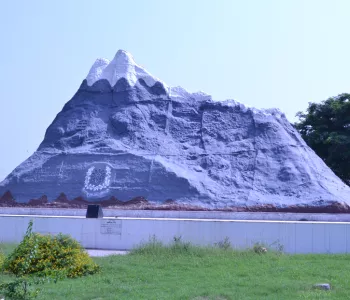
 Documents on the history of Indian nuclear development, focusing on assistance from and intervention by the Soviet Union and the United States. See also Nuclear Proliferation, and the related collections in the Nuclear Proliferation International History Project. (Image, Agni-II missile, 2004, Antônio Milena)

  • March 12, 1944

    Letter from Homi Bhabha to Sir Dorab of Tata Trust

    Dr. Homi Bhabha’s letter to Dr. Sorab detailing the poor condition of applied research in India due to lack of pure research workers and a hope to remedy the problem by building an advanced physics university in Bombay.

  • May 21, 1947

    Letter from Homi Bhabha to Council of Scientific and Industrial Research Director Shanti Swaroop Bhatnagar

    A letter from Dr. Bhabha to Dr. Bhatnager arguing for the establishment and a small experimental pile of fissile material and its benefits, including operational and training experience

  • April 26, 1948

    Organization of Atomic Energy in India, Bhabha

    A series of notes from Dr. Bhabha detailing important requirements and recommendations for the development of India’s nuclear power capabilities.

  • May 28, 1948

    Council of Scientific and Industrial Research Director Shanti Swaroop Bhatnagar to Bhabha

    A letter from S.S. Bhatnagar to Dr. Bhabha informing him of the creation of a Ministry of Scientific Research.

  • September 13, 1949

    Council of Scientific and Industrial Research Director Shanti Swaroop Bhatnagar to Bhabha

    A letter from S.S. Bhatnagar to Dr. Bhabha via the Indian Embassy in Washington D.C. apprising him of a visit with to the Atomic Energy Commission as well as providing an update on the acquisition of needed minerals.

  • January 01, 1954

    Historical Note on Tata Institute of Fundamental Research

    A historical note from Dr. Bhabha to the Prime Minister chronicling the history of the establishment and subsequent operation of the Tata Institute of Fundamental Research. Also includes information about the Institute’s administrative functions and relations with the Atomic Energy Commission.

  • May 16, 1956

    Bhabha and Jawaharlal Nehru Correspondence on Indian Nuclear History

    A series of letters between Dr. Bhabha and Prime Minister Jawaharlal Nehru covering a wide range of subjects, including the appropriate venues to voice opinions, the status of the Colaba site, meeting with the Pakistan Association for the Advancement of Science, and issues with coordination between the Ministry of Natural Resources and the Ministry of Education on scientific research and education. Also includes a copy of a letter from The Tokyo Shimbun requesting Dr. Bhabha’s presence at a forum discussing the justifiability of American hydrogen bomb tests in the Pacific.

  • April 18, 1958

    Letter, John D. Cockcroft, UK Atomic Energy Authority, to Homi Bhabha

    John D. Cockcroft of the UK Atomic Energy Authority answers questions from Homi Bhabha regarding nuclear research and includes the text of a lecture he gave regarding the development of nuclear power in the UK.

  • June 23, 1963

    National Intelligence Estimate Number 4-63, “Likelihood and Consequences of a Proliferation of Nuclear Weapons Systems”

    This NIE comes to the general conclusions that “there will not be a widespread proliferation of nuclear weapons over the next 10 years” and discusses programs in various countries (Israel, China, Sweden, India, West Germany, Japan, etc.) This copy includes newly declassified references to the Israeli nuclear weapons program, including the conclusion that “the Israelis, unless deterred by outside pressure, will attempt to produce a nuclear weapon some time in the next several years.”

  • April 23, 1964

    Letter from Thomas Hughes, Director, Office of Intelligence and Research, Department of State, to Director of Central Intelligence John McCone

    Noting new intelligence information on the Indian and Israeli nuclear programs, as well as the possibility of developments concerning Sweden, Hughes requested McCone to initiate a new estimate of nuclear proliferation trends, which would eventually become part of a October 1964 National Intelligence Estimate (NIE). Hughes enclosed draft “terms of reference,” that included questions about the possibility of “clandestine” weapons programs and new technological developments that could make weapons development “easier” (perhaps a reference to gas centrifuge technology that the 1964 NIE would discuss).

  • August 13, 1964

    India Department of Atomic Energy, Minutes of a Meeting Held August 1, 1964 Regarding the Fourth Five Year Plan Requirements

    Minutes from a meeting headed by Homi Bhabha regarding research and development requirements for atomic energy for the department's Fourth Five Year Plan. Includes the budget and research topics for various divisions of nuclear research.

  • October 21, 1964

    National Intelligence Estimate Number 4-2-64, “Prospects for a Proliferation of Nuclear Weapons Over the Next Decade”

    This US analysis of the likelihood of nuclear proliferation during the next decade was finished only days after the first Chinese nuclear test on 16 October. The report analyses the implications of this test, as well as programs in India, Israel, Sweden, West Germany, Italy, Japan, Canada, and others. The National Intelligence Estimate (NIE) argued that India was the only new state likely to develop nuclear weapons, concluding that “there will not be a widespread proliferation …over the next decade.”

  • October 24, 1964

    Bhabha Speech on Nuclear Disarmament UN Day

    A speech delivered by Dr. Bhabha for United Nation’s Day on the subject of nuclear disarmament and general disarmament.

  • December 31, 1965

    India Department of Atomic Energy, Notification of Appointment of New Members of the Atomic Energy Commission

    Details about the appointment of new members to the Indian Atomic Energy Commission.

  • 1966

    India Department of Atomic Energy, 'Summary of Allocation and Expenditures'

    Budget for the Indian Department of Atomic Energy.

  • January 20, 1966

    National Intelligence Estimate, NIE 4-66, 'The Likelihood of Further Nuclear Proliferation'

    This estimate updated an estimate (NIE-4-2-64) published in 1964 of the nuclear proliferation problem. That estimate, like this one, overestimated the likelihood of an Indian bomb, while somewhat underestimating Israel’s program. This assessment followed the same pattern—predicting India would produce a weapon within a “few years” and also putting Israel in the “might” category, although treating it as a “serious contender” nonetheless. Also following a short discussion of the “snowball effect” (later known as “proliferation cascades” or “chains”) suggesting that the United Arab Republic (Egypt-Syria) and Pakistan were likely to take the nuclear option should India or Israel go nuclear.

  • March 12, 1966

    Speech by Professor M. G. K. Menon, Sheriff's Meeting in Memory of Dr. Homi J. Bhabha at University Gardens, Bombay

    Speaking at an event to honor the memory of Homi Bhabha, Professor Menon speaks about his influence on nuclear energy development in India and the creation of the Tata Institute for Fundamental Research.

  • May 02, 1966

    Letter, H. G. Higgins to Vickram Sarabhai, 'Australian Pugwash Committee'

    H. G. Higgins, Chairman of the Australian Pugwash Committee, writes to Professor Sarabhai concerning an upcoming conference on "Scientific, Technical and Industrial Development in South-East Asia."

  • November 19, 1966

    India Department of Atomic Energy, 'Cooperation with USA in the Development of Atomic Energy for Peaceful Purposes'

    Packet of material prepared by the Department of Atomic Energy regarding research cooperation with the United States. Includes a letter from Glenn Seaborg, Chairman of the United States Atomic Energy Commission, a letter from Myron B. Kratzer, of the Division of International Affairs, and a draft of the research agreement.

  • June 02, 1967

    Report, Embassy of Hungary in the Soviet Union to the Hungarian Foreign Ministry

    Discussion with the Soviet Foreign Ministry on the direction of India’s foreign policy. Topics covered include Indian opposition to the Nuclear Non-Proliferation Treaty; India’s position on the escalating tensions between Egypt and Israel; the possible establishment of a new Asian regional economic bloc; and the recent decision by the United States to eliminate military aid to both India and Pakistan. Soviet policy towards India and Pakistan is also discussed, including the possibility of providing military supplies to Pakistan.